
The Sound of Status: Understanding Quiet Luxury Naming
In the refined circles of 2026, quiet luxury naming has emerged as the definitive marker of discerning taste. Unlike their predecessors who favored bold consonants and dramatic flourishes, today’s elite families are gravitating toward names that whisper rather than announce—names that flow with the gentle precision of silk being drawn across marble.
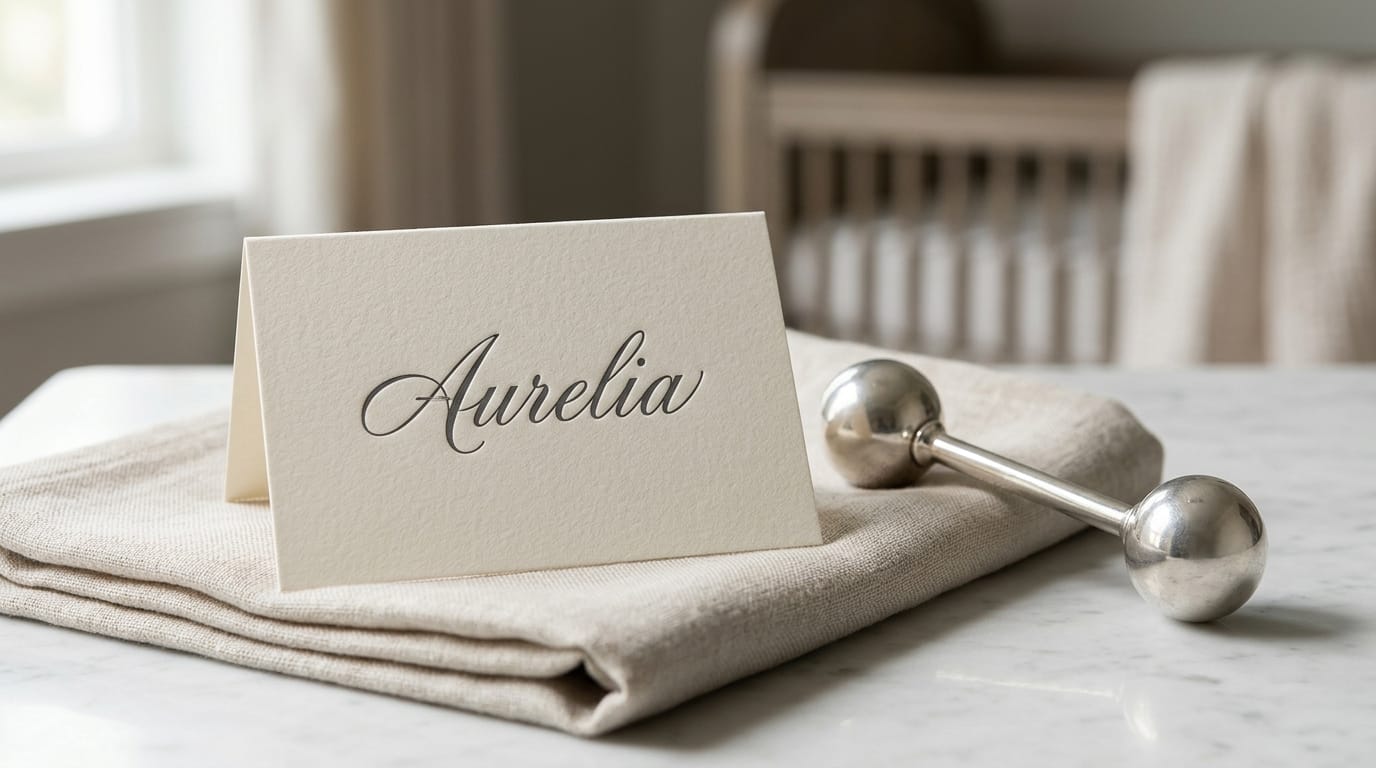
The vowel-hiatus phenomenon represents a fundamental shift in how we perceive auditory elegance. Names like Aurelia and Naia don’t simply sound beautiful; they embody the unhurried confidence of generational wealth and cultural refinement.
Liquid Phonetics: The Heritage Girl Names Revolution
What exactly makes a name sound expensive? The answer lies in liquid phonetics—the deliberate selection of vowel combinations that create seamless transitions without harsh stops or abrupt consonant clusters. Consider the difference between Brittany and Beatrice. One feels rushed, contemporary. The other feels timeless, cultivated.
The most coveted names in this movement include:
- Aurelia – From the Latin for ‘golden,’ with its rolling vowels and soft conclusion
- Naia – Greek for ‘flowing,’ embodying the water nymph’s ethereal quality
- Eliana – Hebrew origin meaning ‘God has answered,’ with its melodic three-syllable flow
- Isadora – ‘Gift of Isis,’ combining classical heritage with liquid sound
These selections aren’t accidental. They represent a careful curation of names that sound equally appropriate in a Swiss boarding school and a Manhattan gallery opening.
The Architecture of Elite Baby Names
Beyond phonetics, today’s discerning parents are constructing names with architectural precision. Each selection must satisfy multiple criteria: historical weight, international pronunciation, and what insiders call ‘board room readiness’—the ability to command respect across all life stages.
The current preference leans toward names that originated in classical antiquity or medieval courts. Octavia, Cordelia, and Seraphina offer the kind of etymological depth that signals serious cultural investment. These aren’t names chosen from trending lists; they’re names inherited from centuries of refined taste.
The Institutional Surname Trend
Simultaneously, we’re witnessing the rise of institutional surnames as first names—a strategy that immediately signals boardroom heritage. Names like Sinclair, Greer, and Sloane carry the implicit authority of family establishments and generational success.
This trend reflects parents who view naming as legacy building. They understand that their daughter’s name will appear on university applications, professional letterhead, and eventual board appointments. The selection process becomes an investment in her future authority.
Legacy Names and the 100-Year Cycle
Perhaps most fascinating is the emergence of the 100-year naming cycle—the deliberate revival of 1926 socialite names appearing exactly a century later. Colette, Ines, and Cosima are returning to elite nurseries with their original sophistication intact.
This isn’t nostalgia; it’s strategic timing. Names need exactly one century to shed their previous associations and reclaim their original elegance. What felt dated in the 1980s now feels refreshingly uncommon.
For families seeking elite baby names with proven staying power, these centennial revivals offer the perfect combination of rarity and recognition.
Archival Botanicals: Beyond Common Florals
The botanical trend has evolved beyond garden varieties toward what we term ‘archival botanicals’—plant names with architectural qualities. Calla, Zinnia, and Fern possess the structured elegance that pairs seamlessly with institutional surnames.
These selections avoid the precious quality of Rose or Lily while maintaining nature’s inherent sophistication. They sound equally at home in a Kensington garden or a minimalist Manhattan nursery.
Creating Your Family’s Naming Legacy
The art of quiet luxury naming requires patience and discernment. Start by considering your family’s geographical and cultural heritage. Which regions or time periods resonate with your values? Then examine the phonetic weight of your selections. Do they flow with liquid precision or stumble over harsh consonants?
Remember that the most successful elite names feel effortless—as if they were always meant to belong to your daughter. They shouldn’t require explanation or defense; they should simply feel right.
For parents committed to this level of naming sophistication, consider keeping a private naming journal throughout your selection process. Document which names maintain their appeal across seasons, which combinations feel balanced, and which selections pass the ‘boardroom test.’
The Future of Refined Naming
As we move deeper into 2026, expect the vowel-hiatus trend to influence naming patterns across all social strata. However, true connoisseurs will already be identifying the next wave—perhaps a return to medieval virtue names or Renaissance court appellations.
The key is understanding that authentic luxury never follows; it leads. The most sophisticated parents aren’t seeking trending names but timeless ones that happen to align with contemporary sensibilities.
Selecting a name is the first act of defining a child’s legacy. The CHARMPOSH® Elite Baby Names Anthology provides a curated foundation for parents who prioritize heritage and enduring grace over fleeting trends.
– A definitive collection of names rooted in prestige and cultural weight.
– Designed specifically for the discerning, taste-driven parent.
– Focused on timeless identity and quiet confidence.
Secure your copy of the anthology via the link below.
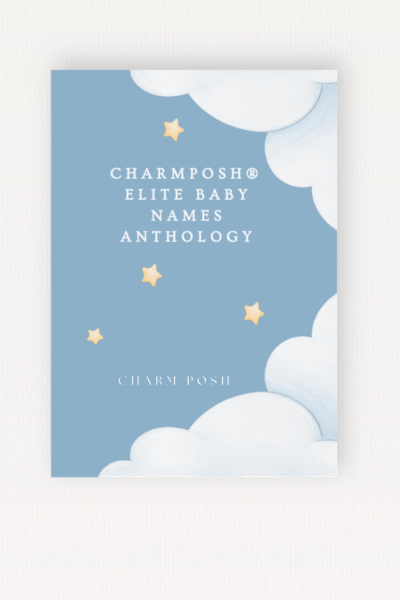
CHARMPOSH® Elite Baby Names Anthology
As an affiliate, I may earn a commission from qualifying purchases made through links in this post.
Frequently Asked Questions
What makes vowel-hiatus names sound more sophisticated?
Vowel-hiatus names like Aurelia and Naia create seamless sound transitions without harsh consonant clusters, producing a liquid, flowing quality that signals refinement and unhurried elegance.
How do I know if a name passes the ‘boardroom test’?
A name passes the boardroom test if it commands respect across all life stages—from nursery to university to professional settings. Consider how it sounds on letterhead, business cards, and formal introductions.
Why are 1926 names trending again in 2026?
The 100-year naming cycle allows names to shed previous associations and reclaim their original elegance. Names like Colette and Ines now feel refreshingly uncommon rather than dated.
What’s the difference between archival botanicals and common floral names?
Archival botanicals like Calla and Zinnia possess architectural qualities and structured elegance, avoiding the precious quality of common florals like Rose or Lily while maintaining natural sophistication.
Should I choose a surname as my daughter’s first name?
Institutional surnames like Sinclair and Greer work well as first names because they immediately signal boardroom heritage and family establishment, though they should align with your family’s actual cultural background.
Leave a Reply