

The Era of Permanent Identity
In the spring of 2026, the cultural compass of discerning parenting has shifted decisively. There is a quiet, deliberate movement away from ephemeral trends, replaced by a pursuit of absolute permanence. At the forefront of this shift is the gilded age revival—a return to the elaborate, industrialist-era names of the 1890s. The first inheritance a child receives is their identity. Today, that inheritance is being chosen with the weight of history in mind.
The Psychology of the Gilded Age Revival
To understand the resurgence of 19th-century names is to understand the modern desire for stability. In an era defined by rapid digital acceleration, an established name offers an anchor. It serves as an architectural foundation for a child’s future. These are not merely identifiers; they are assets. A name drawn from the 1890s suggests a lineage of quiet luxury, operating far above the noise of passing decades.
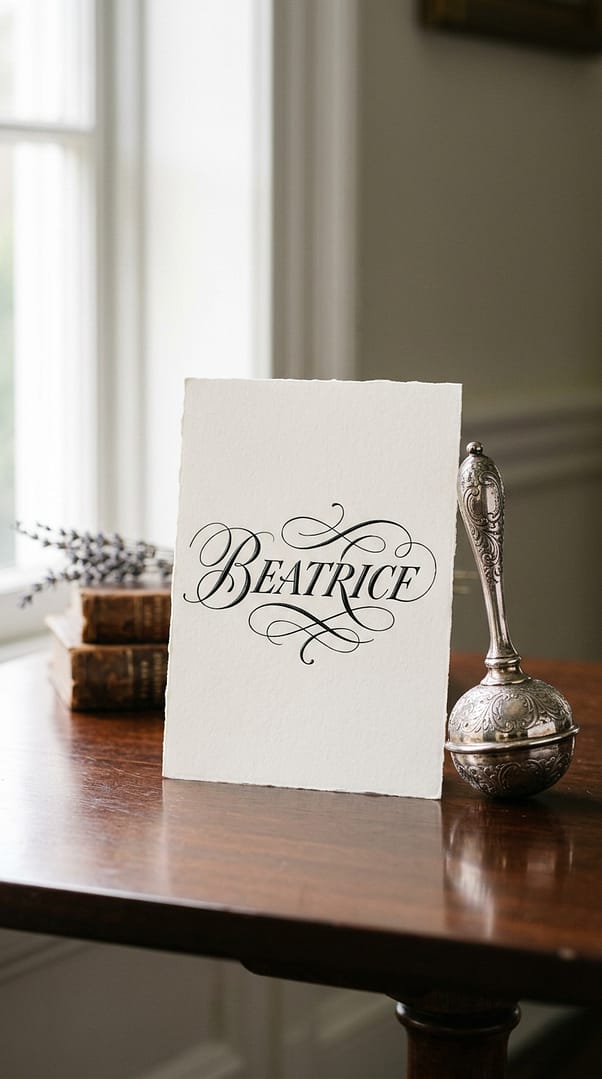
When curating a nursery—perhaps layering linen textures, subtle marble, and heavy ivory cardstock—the name itself must match the environment. It must sound as though it belongs engraved on silver or penned in dark ink. To explore more selections of this caliber, peruse our curated collection of elite baby names.
Names of Substance: A Curated Selection
The names leading this movement share distinct characteristics: liquid vowels, profound historical roots, and an inherent resistance to diminutives. They are chosen not for their popularity, but for their gravitas.
- Augustus: A title of profound historical weight. It commands the room without raising its voice, embodying the very essence of the gilded age revival.
- Leonora: Rooted in European aristocratic tradition. It offers sweeping elegance and a refined, unshakeable presence.
- Alistair: Evoking the oak-paneled libraries and established wealth of a bygone era. It implies immediate respect.
- Aurelia: Translating to ‘the golden one,’ this name acts as an aspirational anchor, manifesting prosperity and light.
- Cyprian: An ancient choice possessing unmatched intellectual depth. It is deliberate, rare, and deeply historic.
Manifesting Legacy
The modern elite recognize that luxury is not loud. It is the quiet strength of an established identity. The parents of 2026 are looking to the 1890s because true heritage cannot be manufactured; it must be inherited or intentionally revived. A name like Leonora or Augustus does not merely introduce a child to the world—it introduces a legacy.
For those preparing to bestow this first, most vital piece of equity upon their child, meticulous curation is required. For comprehensive guidance on ancestral naming, secure the CHARMPOSH® Elite Baby Names Anthology.
Frequently Asked Questions
What defines the gilded age revival in baby naming?
The gilded age revival refers to the deliberate resurgence of 19th-century industrialist-era names. These names prioritize heritage, substance, and historical weight, rejecting modern, ephemeral trends in favor of timeless legacy.
Why are 2026 parents choosing names from the 1890s?
Modern parents seek an anchor of stability in a rapidly accelerating world. Names from the 1890s project established wealth, deep roots, and quiet luxury, offering a child a foundation of immediate respect and heritage.
What are examples of names fitting this 19th-century aesthetic?
Refined examples include Augustus, Leonora, Alistair, Aurelia, and Cyprian. These names are chosen for their graceful liquid vowels, European distinction, and inherent gravitas.
Leave a Reply